Jim Jordan

← Back to Work

PayPal

PayPal ATM

Designing financial access for underbanked communities

Work completed at Funsize

The Challenge

How do you serve the millions of Americans who live miles from the nearest bank branch?

In rural America, access to basic financial services isn't a given. Many communities are considered "underbanked"—residents may have a bank account, but they rely heavily on alternative financial services because traditional banking infrastructure simply isn't accessible. The nearest ATM might be a 30-minute drive away.

PayPal asked us to explore a radical idea: what if we could bring banking to where people already are?

The Concept

The solution centered on deploying low-cost kiosks in places people already visit regularly—grocery stores, pharmacies, and convenience stores. By using affordable tablet hardware instead of traditional ATM infrastructure, we could dramatically reduce deployment costs while maintaining a secure, familiar interface.
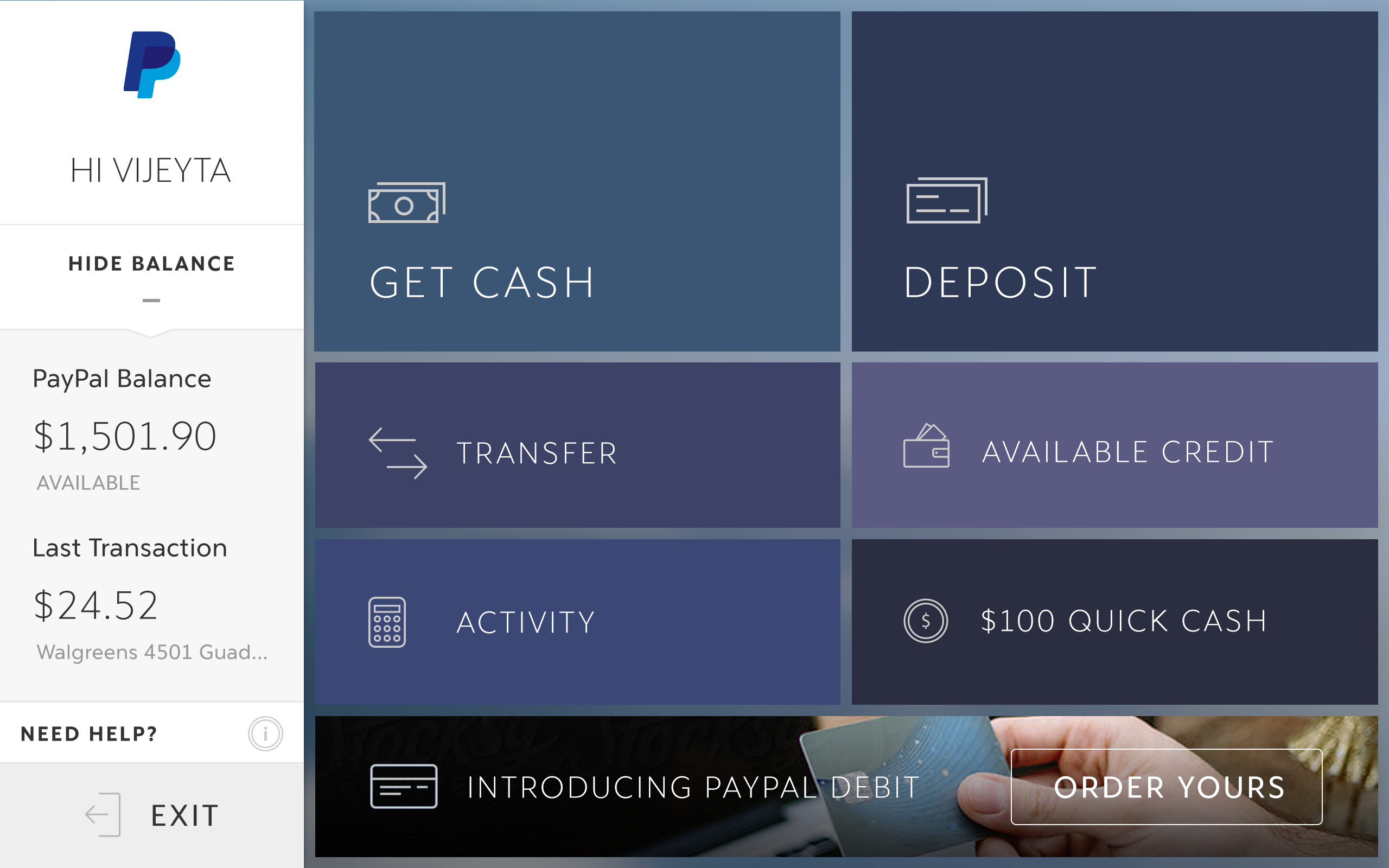
The kiosk interface was designed to be immediately approachable. Users could authenticate with their PayPal credentials and access core banking functions: check balances, deposit cash, withdraw funds, and send money to family members.

Deposit Flow
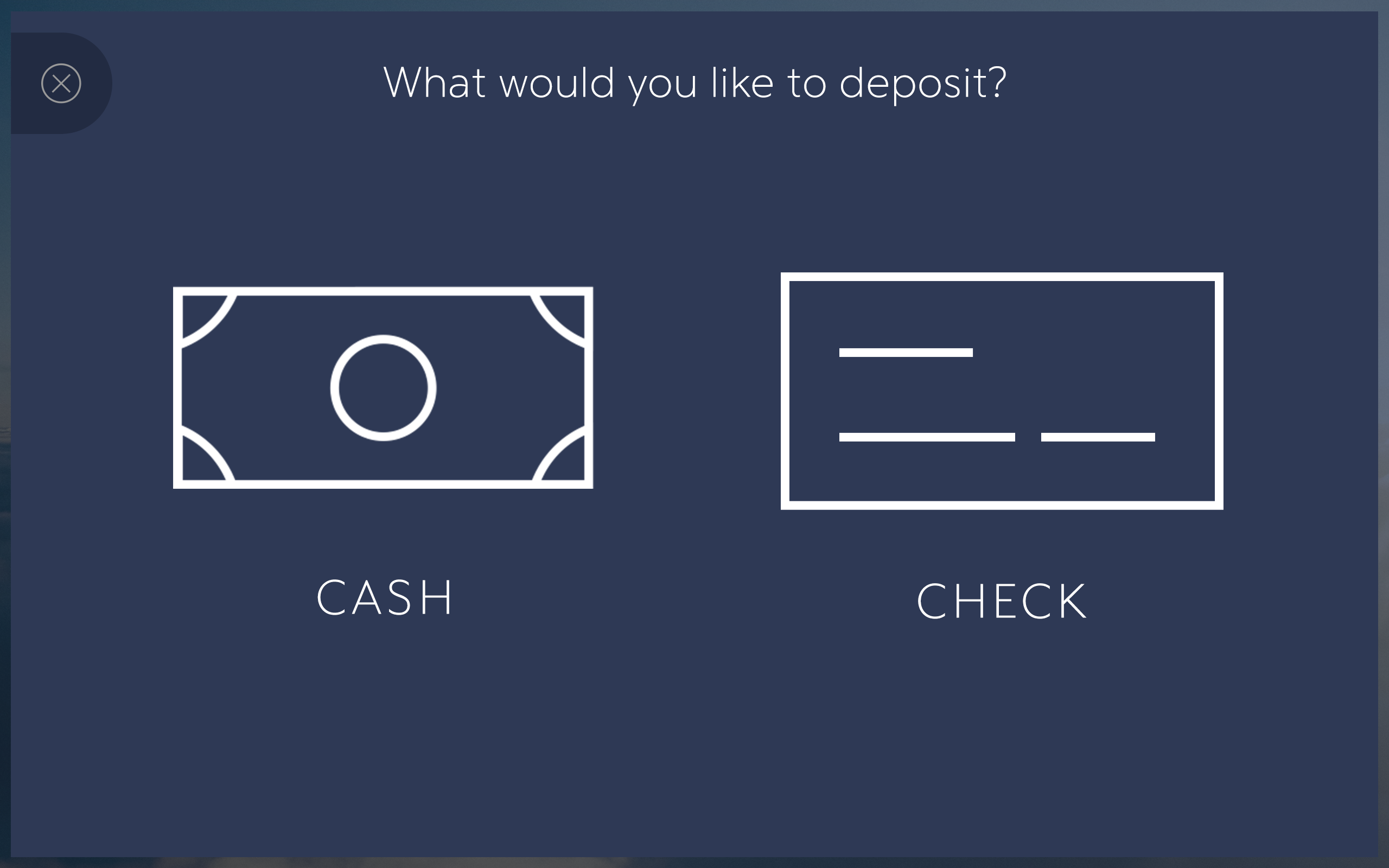
The deposit experience prioritized clarity and trust. For users who may be unfamiliar with digital banking, every step needed to feel secure and reversible.
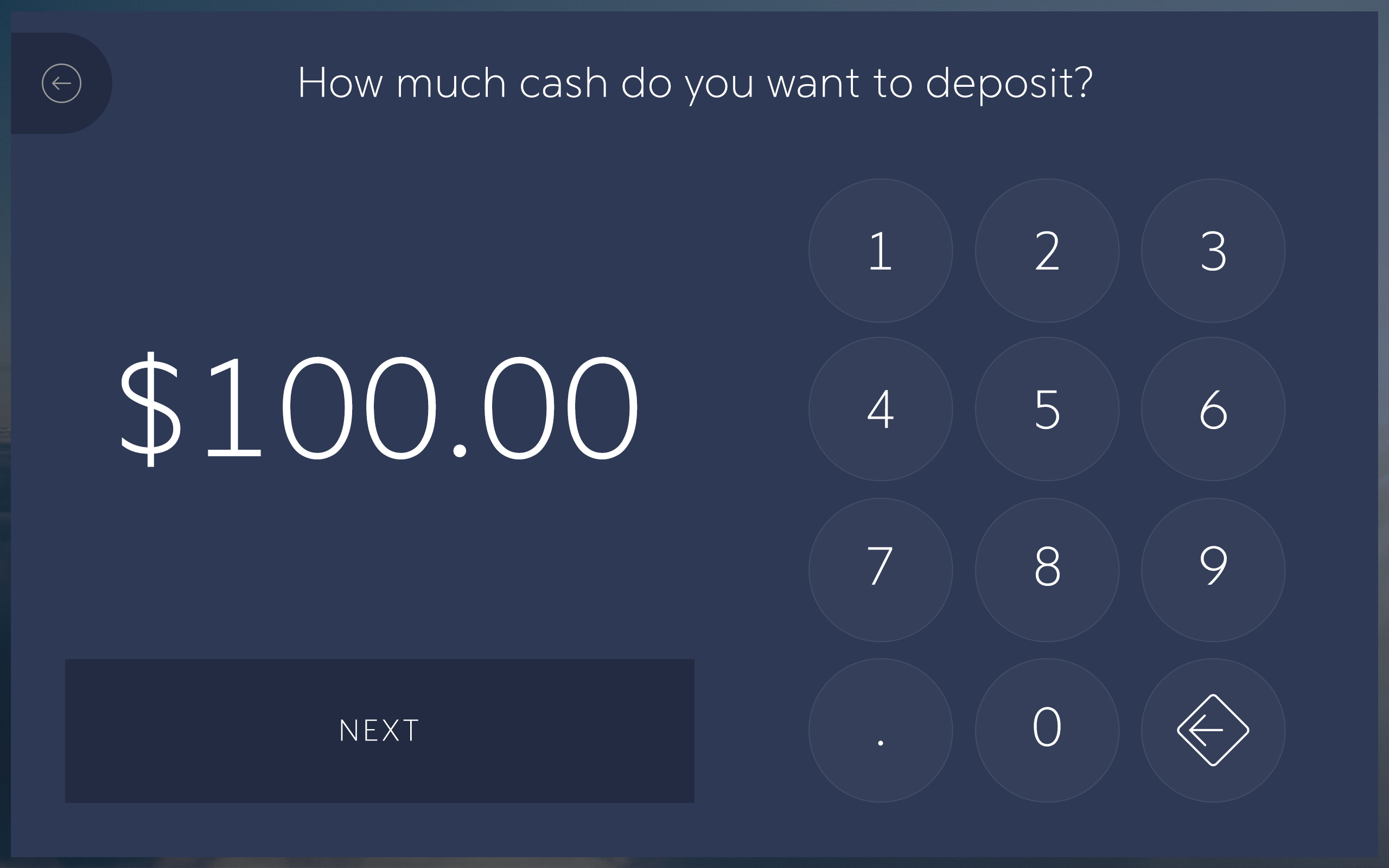
Amount entry used large, accessible touch targets with real-time validation. The interface confirmed each action before proceeding, building confidence through transparency.

Impact

This concept demonstrated how thoughtful design could extend financial services to communities that traditional banking has overlooked. By meeting people where they are—literally—we could help bridge the gap between digital finance and physical access.
PayPal Wallet

Designing mobile payments before Apple Wallet

Work completed at Funsize

The Moment

In 2014, mobile payments were still nascent. Apple Wallet hadn't launched yet, and PayPal saw an opportunity to define what a digital wallet could be on Android.

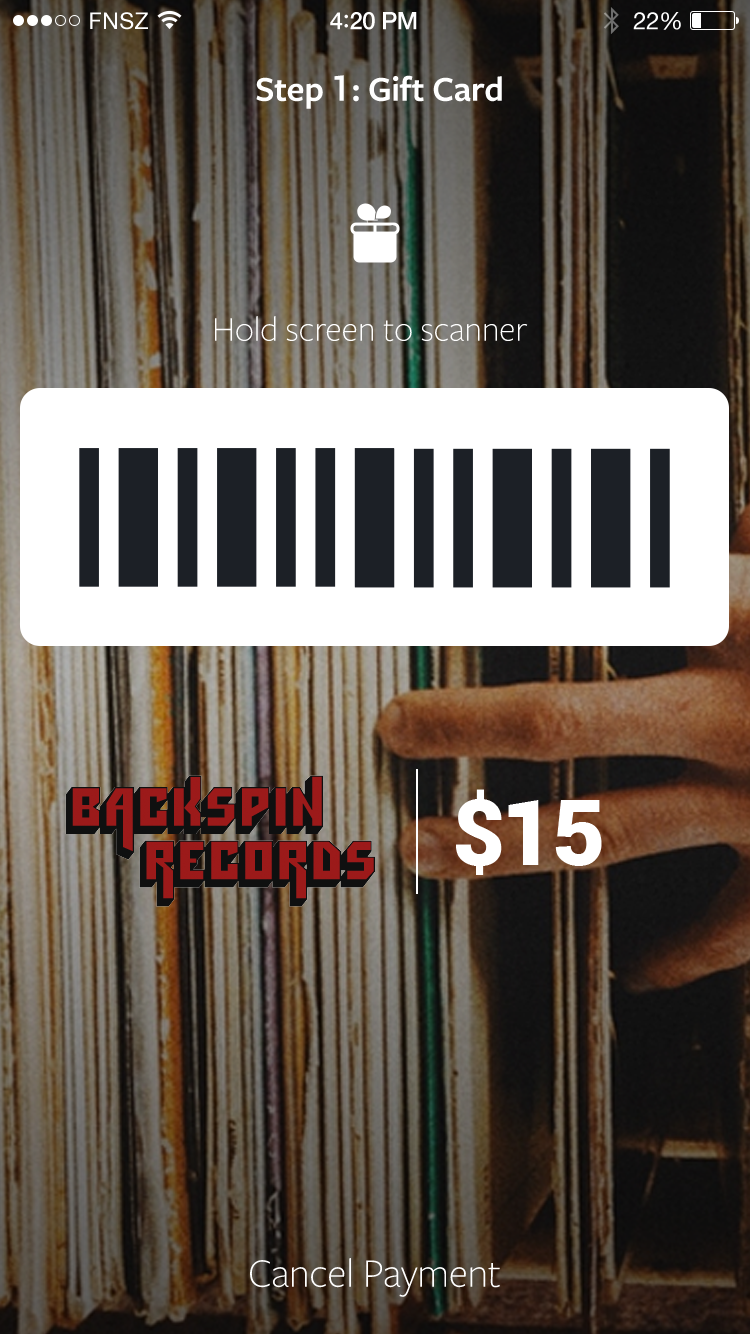
We were tasked with designing the original concepts for PayPal's mobile wallet experience—a unified interface for payments, loyalty cards, and transaction history that would live in users' pockets.

The Wallet Experience

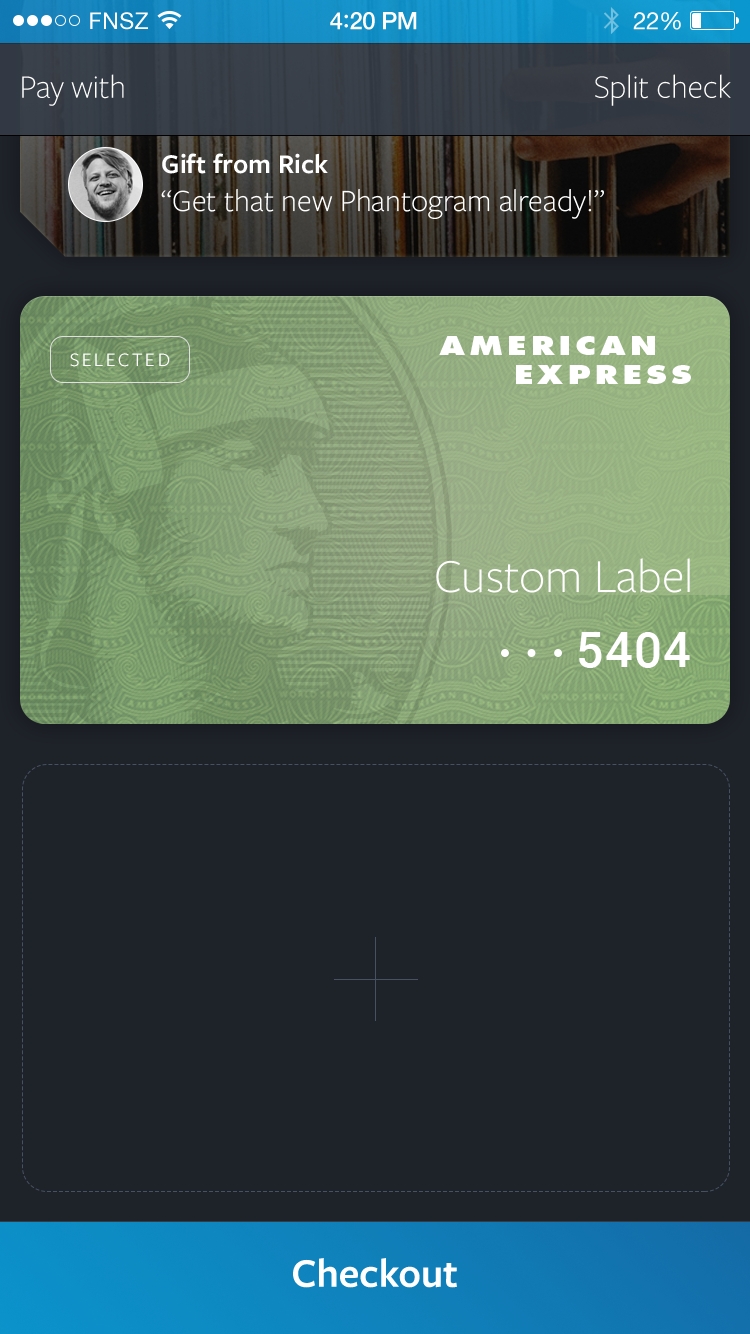
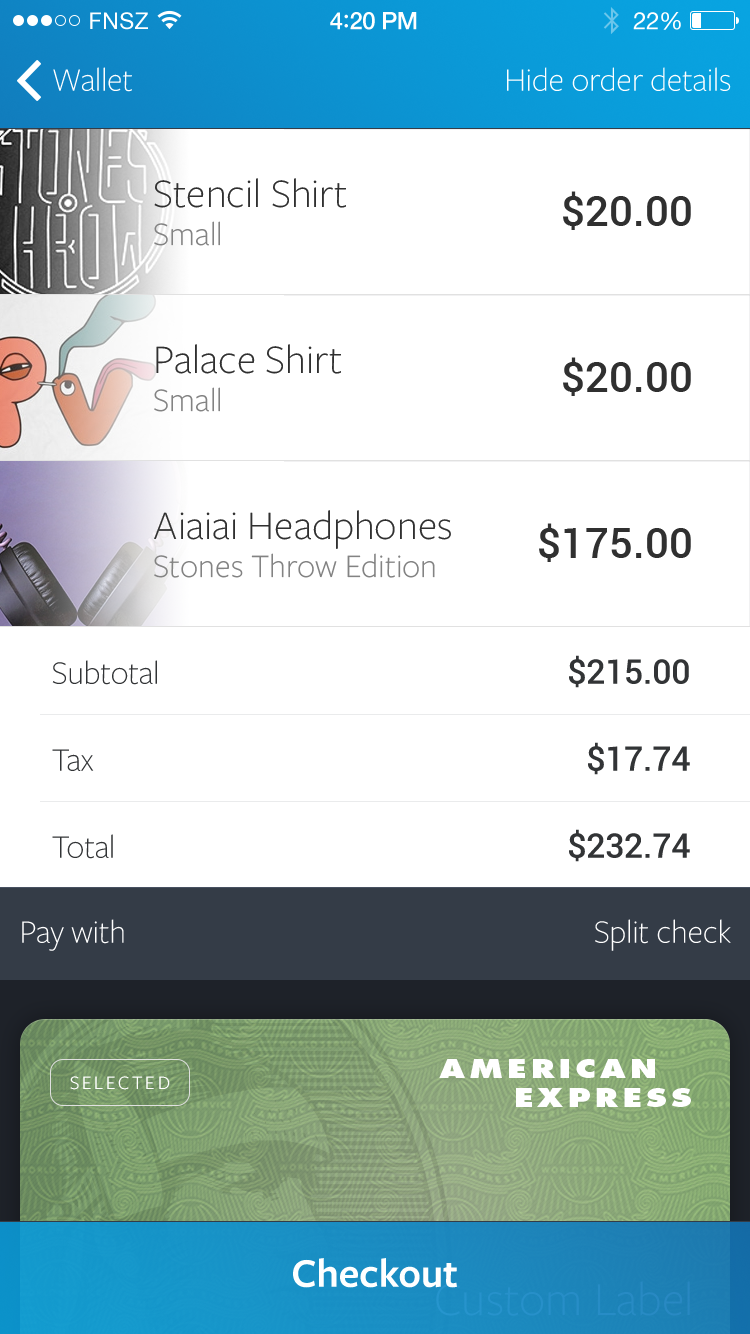
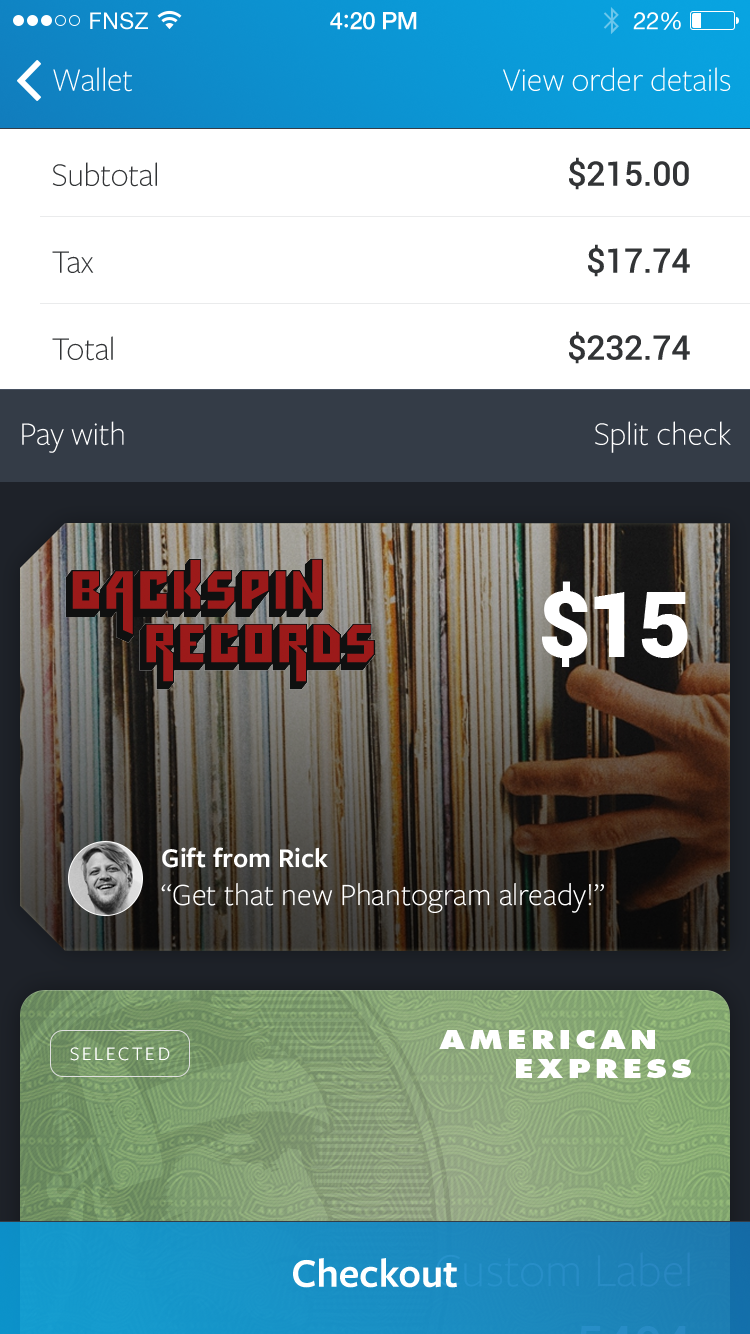
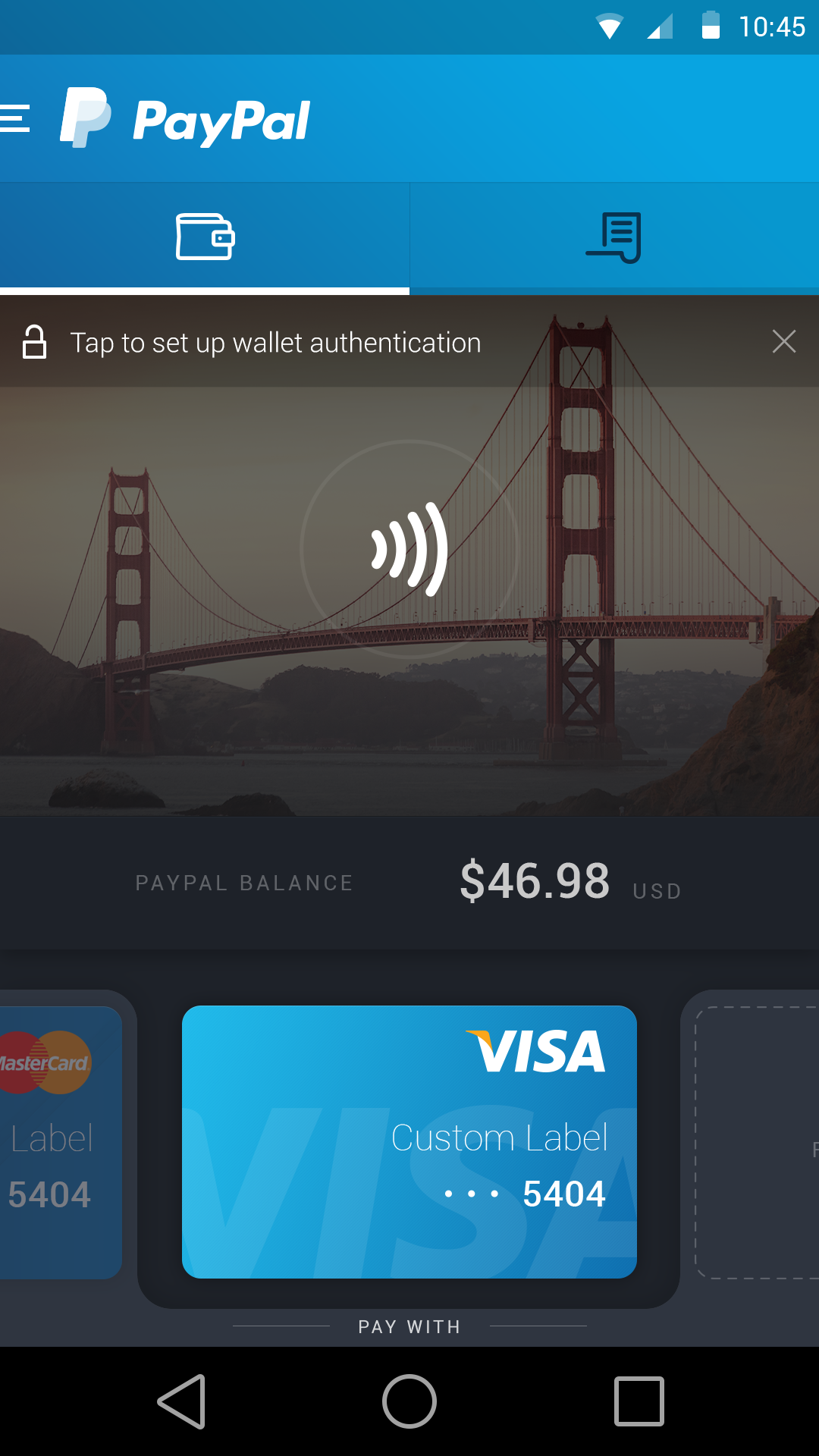
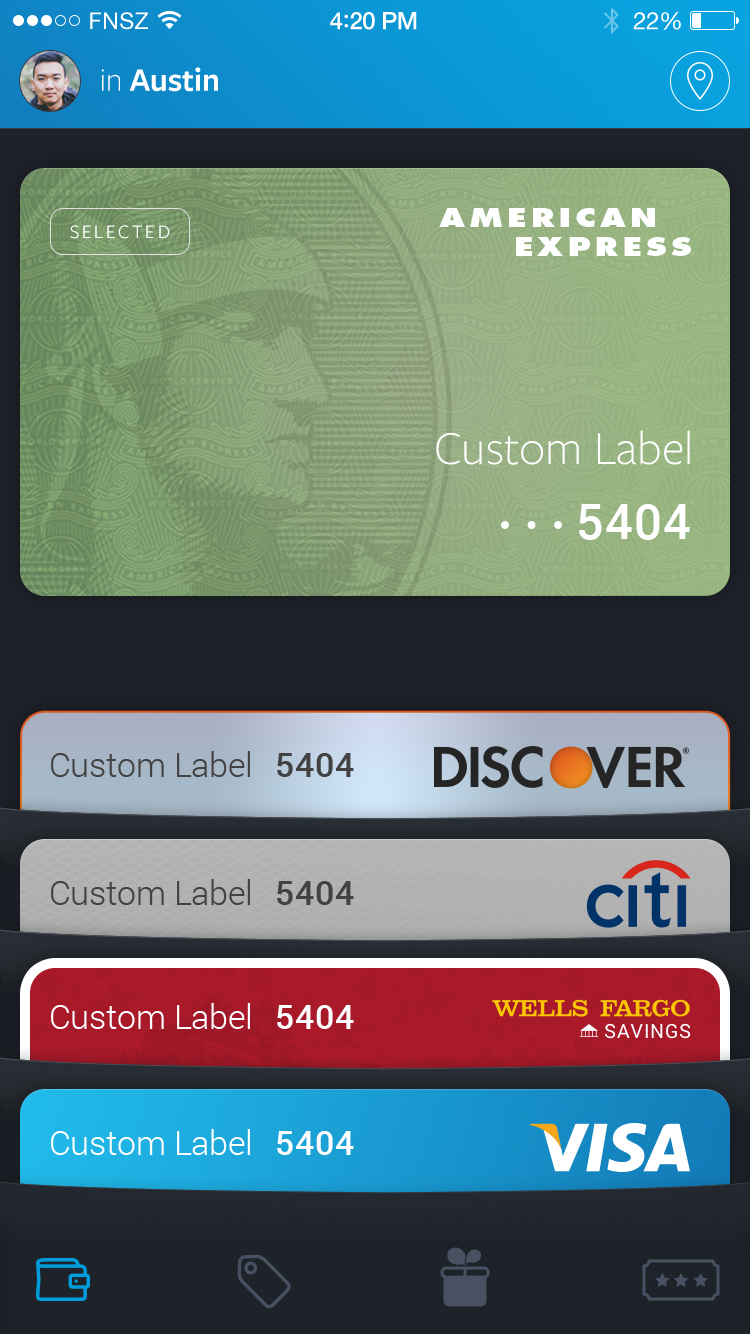
The wallet interface needed to feel as natural as reaching for a physical wallet. Cards were displayed as tangible objects that users could organize, select, and manage with familiar gestures.

Payment Options

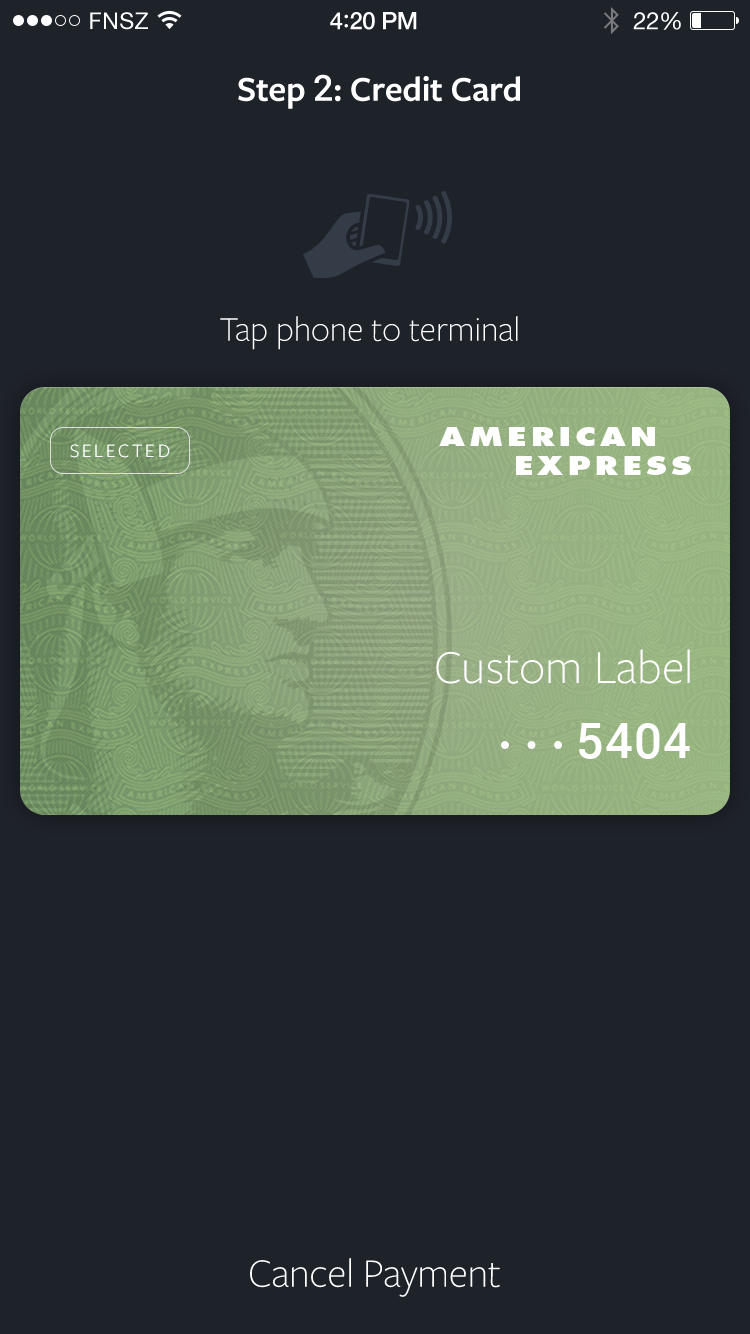
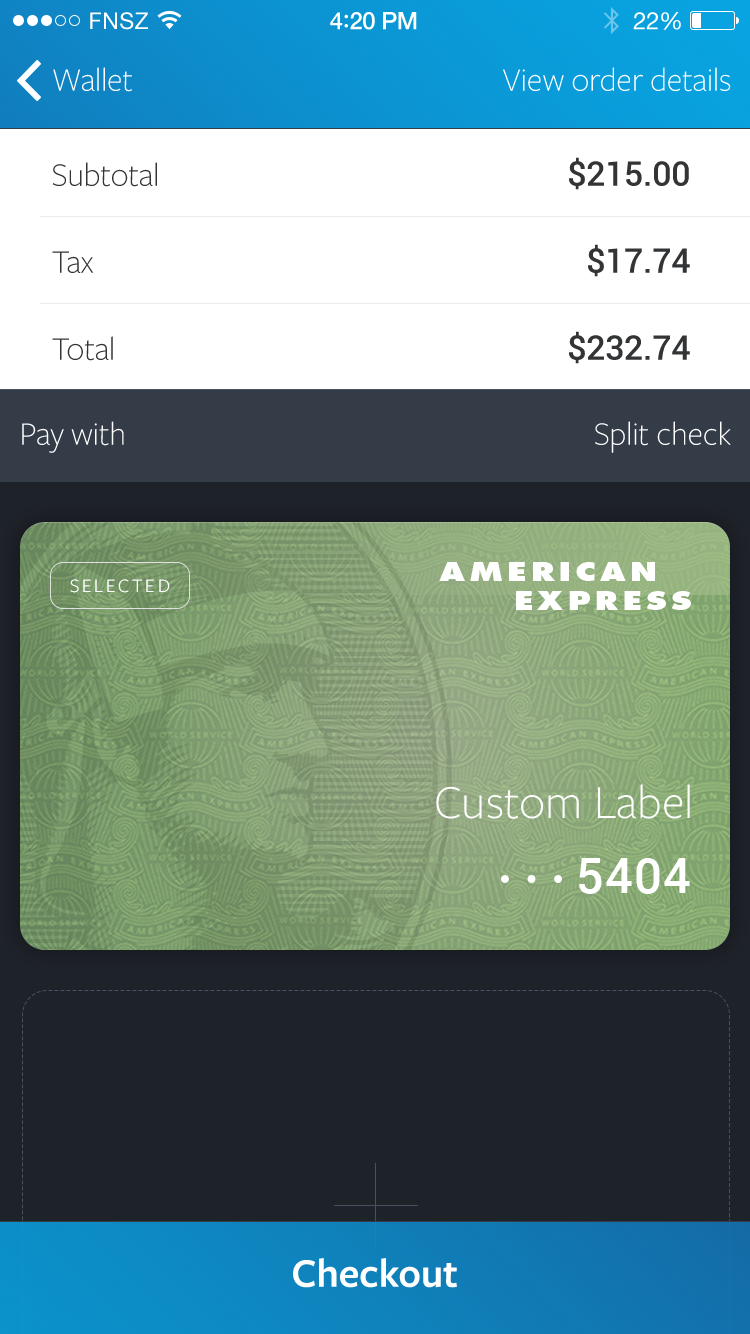
Managing payment methods needed to be effortless. Users could add cards, set defaults, and organize their payment hierarchy with simple interactions.

Check-In & Transactions

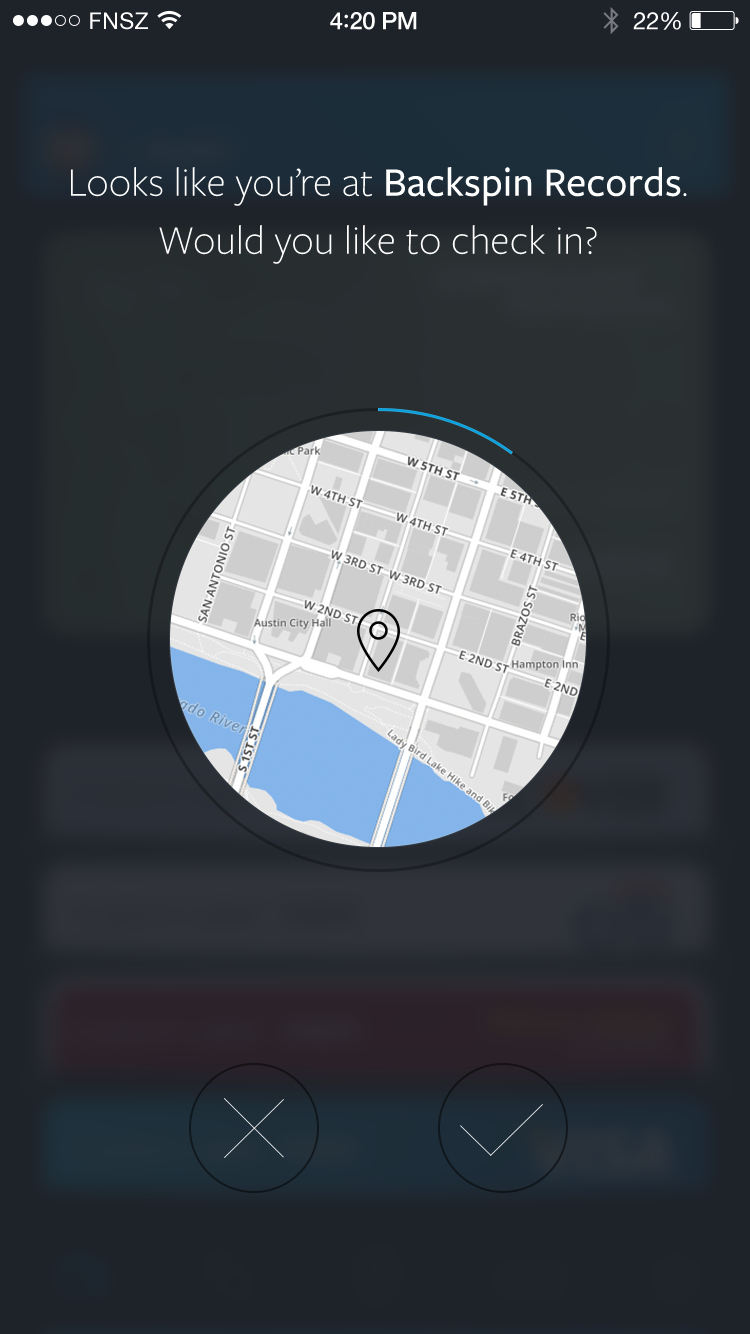
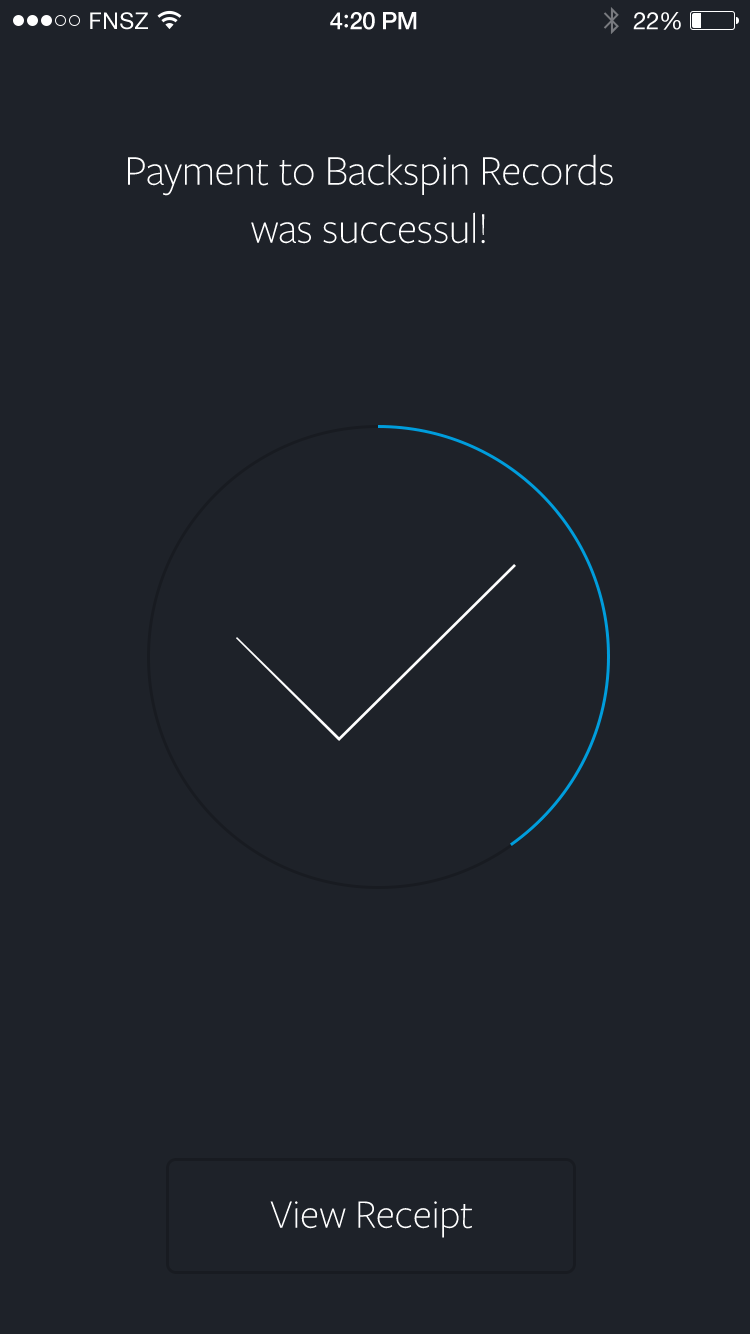
Location-aware check-in allowed users to pay at participating merchants without pulling out their phone at the register.

Receipts & Sharing

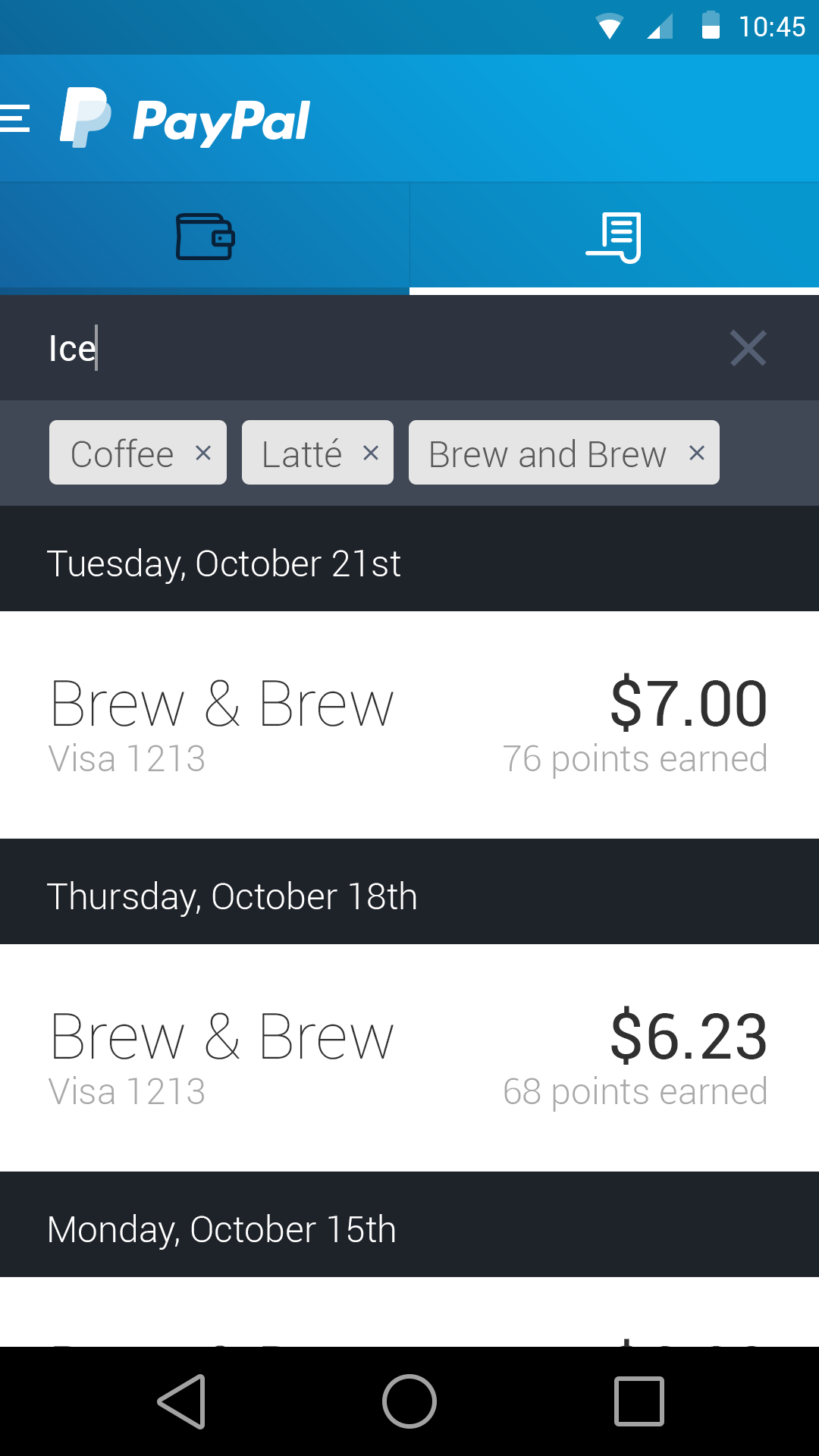
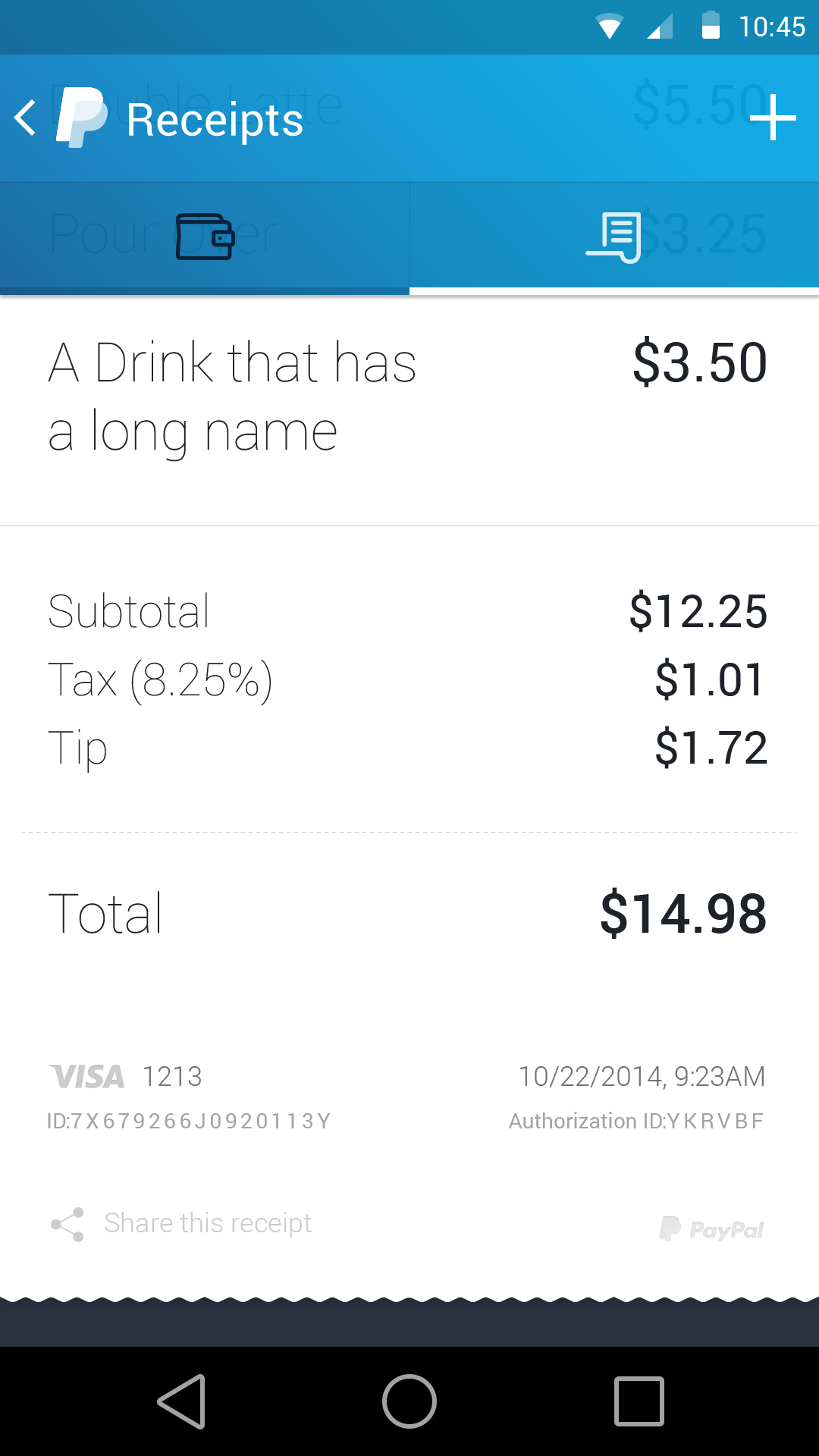
Digital receipts were searchable and tagged, making expense tracking and returns effortless.

Security

Authentication balanced security with convenience—protecting sensitive financial data while keeping the wallet accessible for quick transactions.

Looking Back

This work predated Apple Wallet's announcement by months. Many of the patterns we explored—card-based interfaces, location-aware payments, integrated loyalty programs—would become standard features across mobile payment platforms. It was a glimpse into a future that's now our present.

← Back to Work